Technology Strategy Consulting: A Founder's Guide

Founder & CEO, Buttercloud
A lot of founders arrive at the same point. The product idea is clear, customer conversations are promising, and maybe a designer has already mocked up the first version. Then critical questions hit. What stack should we use? Do we need native mobile or is web enough? How much infrastructure is too much for an MVP? What happens if investors ask whether this can scale?
That moment is where most companies stop talking about product and start confronting architecture, delivery, hiring, security, and cost control. In startups, those aren’t back-office concerns. They shape valuation.
I’ve seen the same mistake repeat in different forms. A founder thinks they need a development team. What they need is technical leadership that can decide what should be built, what should wait, and what must be engineered correctly the first time. That’s the practical role of technology strategy consulting.
Your Idea Is Not Your Technical Strategy
A strong idea can still produce a weak company if the technical decisions under it are improvised.
One founder starts with a no-code prototype, proves early interest, then hires a generalist team to rebuild it. Another hires a low-cost agency that ships quickly but leaves no documentation, no test coverage, and no clear deployment process. A third keeps adding freelancers until nobody can explain how the system works. In all three cases, the company may have something live in market, but it doesn’t yet own a dependable technical asset.
That’s the distinction founders need to understand. An app is something you launch. A technical asset is something you can scale, defend, audit, and finance.
What founders usually feel first
The first warning signs are rarely dramatic. They show up as friction.
-
Roadmap confusion: Features keep getting discussed, but nobody can explain the sequence that protects future flexibility.
-
Cost anxiety: Cloud bills start rising without a clear reason, and every new feature feels more expensive than the last.
-
Investor pressure: A fund asks simple technical diligence questions and the answers are vague.
-
Team drag: Developers spend more time untangling old decisions than shipping net-new value.
Technology strategy consulting solves that by aligning technical choices with business outcomes. It asks a harder question than “Can we build this?” It asks, “Will this architecture increase or reduce enterprise value over the next funding stages?”
Why this category keeps growing
The reason this work matters isn’t theoretical. The global IT Strategy Consulting market was valued at USD 195.99 billion in 2023 and is projected to reach USD 387.9 billion by 2032, according to Wise Guy Reports’ IT strategy consulting services market analysis. That growth reflects a broad reality. Companies need guidance to align technology with business objectives, and startups need that alignment earlier than they think.
Startups don’t get punished for lacking polish. They get punished for building on foundations that force expensive rewrites at the exact moment the business needs speed.
A founder’s idea matters. Market timing matters. Distribution matters. But once software becomes the core of the company, technical strategy stops being an implementation detail. It becomes part of the business model itself.
The real shift
Founders often frame technical support as a buying decision. Agency or freelancers. In-house or outsourced. Cheap now or expensive later.
That framing is too narrow. Technology strategy consulting is a leadership function. It turns founder intent into an engineered plan with trade-offs, sequencing, and standards. Without that layer, you don’t have a strategy. You have motion.
What Is Technology Strategy Consulting for Startups?
For a startup, technology strategy consulting is the discipline of designing the company’s technical foundation so it can support fundraising, growth, hiring, and operational pressure without collapsing into rework.
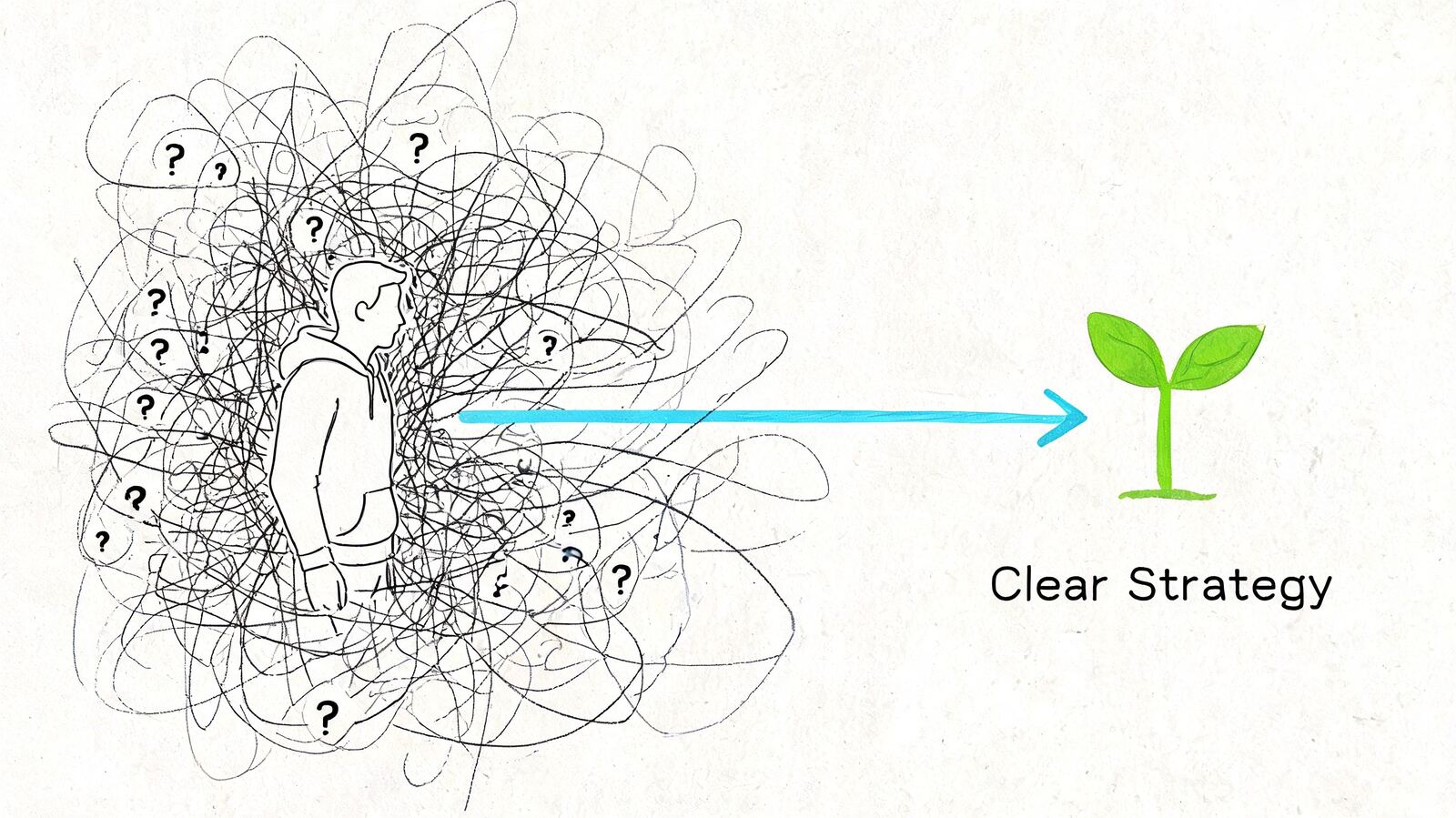
A builder follows a plan. A strategic consultant acts more like a mentor-architect. They decide what kind of structure you’re building, what foundation it needs, and which shortcuts are safe versus fatal. That’s a very different role from assigning tickets to engineers.
The startup version is not the enterprise version
Enterprise consulting often starts with existing systems, established departments, and long procurement cycles. Startups don’t have that luxury. They have partial information, uneven budgets, and a narrow window to prove momentum.
That changes the job. A startup technology strategist has to work inside uncertainty. They help founders answer practical questions such as:
-
What should be custom-built now
-
What can be deferred or bought off the shelf
-
How to choose between native, cross-platform, and web
-
What architecture is sufficient for the next stage, not the next decade
-
How to make AI decisions without adding noise to the product
If you’re evaluating AI as part of the roadmap, it’s useful to pair product thinking with a framework for tailored business AI strategies so the discussion stays tied to use case, operating model, and implementation readiness rather than trend chasing.
What the consultant is actually responsible for
A good consultant doesn’t just recommend tools. They create a coherent technical thesis for the company.
That usually includes:
-
Architecture direction: deciding how the product should be structured so changes remain manageable.
-
Delivery governance: setting standards for code quality, environments, release process, and ownership.
-
Risk control: identifying where security, compliance, vendor dependency, or fragile infrastructure could hurt the company later.
-
Decision sequencing: choosing what gets solved now, what gets monitored, and what gets intentionally postponed.
Practical rule: If your technical plan can’t survive investor diligence, hiring transitions, and the departure of one key developer, it isn’t a strategy. It’s a dependency.
The founder benefit
The primary output is clarity.
Founders usually don’t need more technical vocabulary. They need a partner who can translate business goals into engineering constraints and then back into decisions the company can act on. That’s why the best consultants don’t operate like detached advisors. They sit close to product, close to hiring, and close to fundraising pressure.
A startup doesn’t win because it used fashionable tools. It wins because the technical system underneath the product supports speed without creating hidden liabilities. That’s what technology strategy consulting is for.
Core Services And Strategic Deliverables
Founders often hear broad labels like advisory, architecture, or fractional CTO support and still don’t know what they’re buying. The useful way to evaluate technology strategy consulting is by deliverables, not titles.
The output should help you make better decisions, move faster with less waste, and present a stronger company to investors and senior hires.
Fractional CTO leadership
This is the most misunderstood service because people treat it like part-time engineering management. Done properly, it’s closer to executive technical stewardship.
A fractional CTO should own the hard decisions that founders can’t leave to chance:
-
Technical direction: stack selection, system boundaries, vendor choices, and infrastructure posture.
-
Roadmap judgment: what must be built now versus what should remain intentionally unfinished.
-
Team calibration: deciding when to hire senior engineers, when to use specialists, and when not to scale the team yet.
The broader consulting market is being pushed by staffing shortages and implementation demand. According to Consultancy UK’s analysis of the global technology consulting market, over 60% of firms surveyed are planning operational upgrades, and top consulting firms report 20-40% faster project outcomes in AI-related services. For founders, the practical takeaway is simple. External technical leadership is often the fastest way to make important decisions without waiting to recruit a full internal executive.
Investor-ready technical roadmap
A roadmap isn’t just a planning artifact. It’s part of your financing narrative.
The useful version answers questions investors and acquirers care about:
Deliverable
What it should show
Why it matters
Product architecture plan
How the system evolves as usage and complexity increase
Shows the company isn’t building blindly
Delivery milestones
Which technical capabilities unlock the next business stage
Connects engineering spend to growth
Risk register
Known debt, dependencies, and security gaps
Demonstrates control, not perfection
Build-versus-buy decisions
Where custom engineering creates leverage
Prevents wasteful reinvention
A weak roadmap reads like a feature list. A strong one explains why the technical order of operations protects speed and valuation.
Audit-ready architecture design
This work is less glamorous than product ideation and far more important.
An audit-ready system has clear environments, understandable data flows, predictable deployment practices, and code that another competent team can inherit. That’s what investors, acquirers, and senior hires look for. They want evidence that the product is transferable and governable.
One practical area where founders need discipline is AI tooling. If your team is deciding which systems belong in the stack, this guide on how to evaluate AI tools for startups is a useful complement to technical architecture discussions because it frames selection around use case rather than hype.
The best technical deliverable is often the one that removes future arguments. Clear boundaries, clear ownership, and clear deployment rules save more time than another sprint planning document.
Strategic hiring and operating model
A lot of startup hiring mistakes are strategy mistakes in disguise.
Founders hire too junior because they want affordability, or too senior too early because they want credibility. A consultant should define the operating model first. Who needs to own architecture? Who can execute with guidance? Which work should stay external until the product and pace stabilize?
This is also where a partner such as Buttercloud can fit as one option among others. Its work spans production-grade MVP development, fractional CTO support, and startup DevOps, which is relevant when a founder needs both strategy and execution in the same operating window.
The right consulting engagement doesn’t just produce advice. It leaves behind a stronger system, a clearer roadmap, and a hiring model the company can sustain.
The Startup Tech Roadmap From MVP To Scale
The right roadmap changes as the company changes. The mistake is treating startup technology as one long build cycle. It isn’t. Each stage has a different job.
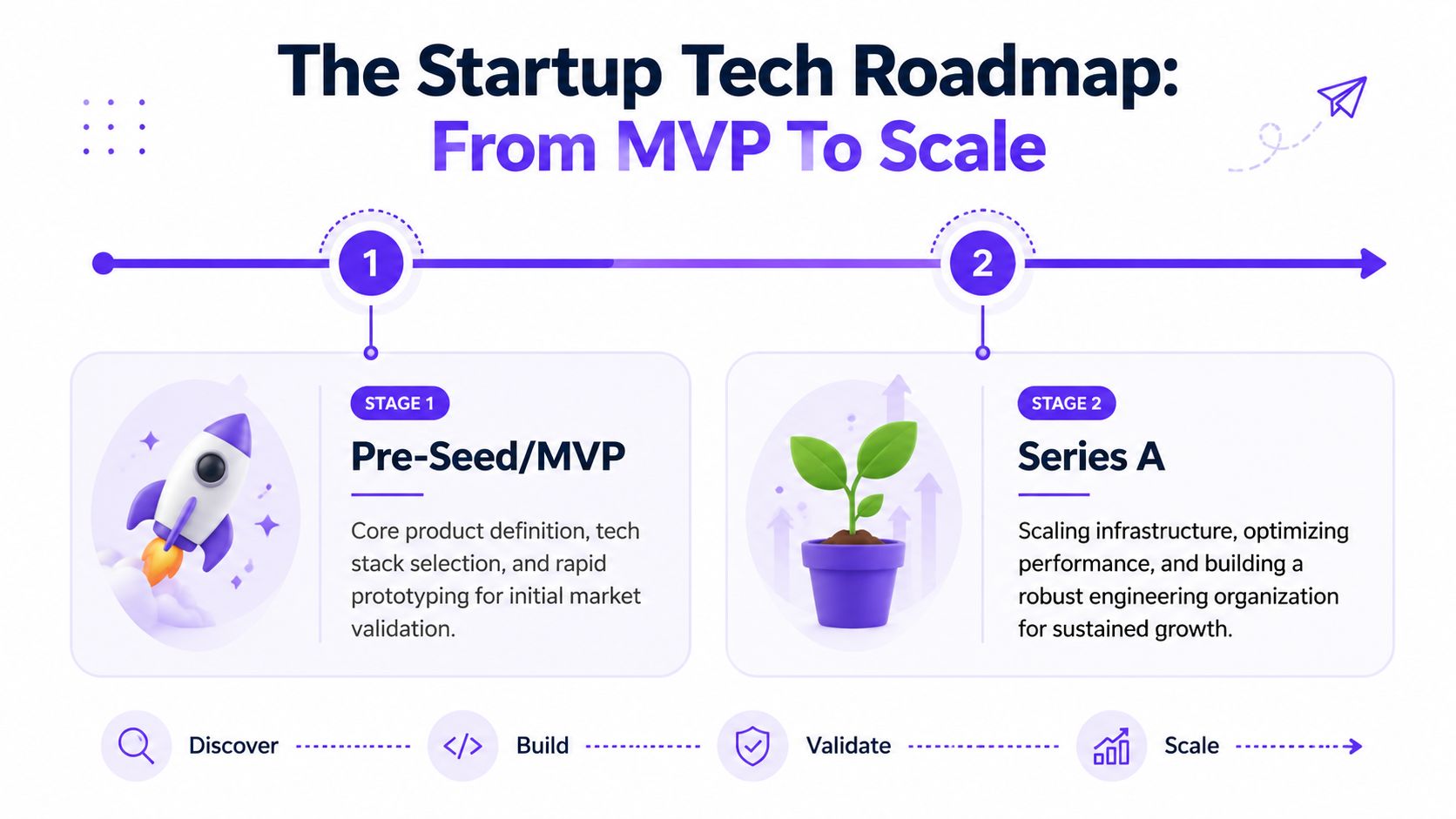
Pre-seed and MVP
At this stage, the goal isn’t to overbuild. It’s to avoid building something you’ll regret funding.
That means choosing a stack your future team can inherit, narrowing the feature set aggressively, and setting quality thresholds early. Authentication, data structure, observability, deployment process, and permissioning often matter more than founders expect because they influence every later release.
The most expensive MVP mistake is weak data architecture. According to BridgeView’s discussion of data and technology consulting, a poorly designed data stack at the MVP stage can consume 40-60% of engineering cycles by Series B, while investing in proper data architecture early can reduce future refactoring costs by as much as 70%.
Practical priorities at this stage:
-
Define the product boundary: know what the MVP proves and what it deliberately ignores.
-
Pick the stack for hiring, not taste: React, Node.js, Swift, Kotlin, PostgreSQL, and managed cloud services are often easier to staff than obscure alternatives.
-
Set release discipline early: CI/CD, environment separation, logging, and rollback procedures shouldn’t wait until after traction.
-
Design the data layer carefully: schema shortcuts become product constraints later.
If you’re still shaping sequencing, this primer on defining your product roadmap is useful because it helps founders separate market priorities from engineering order. For stack-level decisions, Buttercloud’s guide to a startup tech stack is a practical companion.
Series A readiness
Once the company has early traction, the question changes from “Can we launch?” to “Can we withstand scrutiny and scale without chaos?”
At this point, technical strategy consulting usually focuses on:
-
Scalability proof
Investors don’t need infinite scale. They need confidence that growth won’t force a rebuild. -
Security hardening
Access controls, auditability, secrets management, vendor review, and basic incident readiness start becoming diligence issues. -
Cost visibility
The company needs to understand where infrastructure spend is justified and where it signals architectural drift.
Series A diligence rarely fails because a startup is small. It fails because nobody can explain how the system grows from here without operational pain.
Growth and scale
Growth changes the work again. The challenge is no longer just architecture. It’s organizational design.
The company now needs clearer ownership, better internal documentation, more disciplined platform thinking, and a hiring model that doesn’t depend on heroics. That’s when technical strategy consulting shifts from direct architectural control toward system design, team structure, and governance.
The strongest roadmap is staged, not grandiose. It accepts that every startup has uncertainty. It just refuses to let uncertainty dictate the architecture.
How Do You Measure the ROI of Strategic Tech Leadership?
Founders shouldn’t evaluate strategic tech leadership as overhead. They should evaluate it the same way they evaluate any capital decision. Does it improve speed, reduce waste, and increase enterprise value?
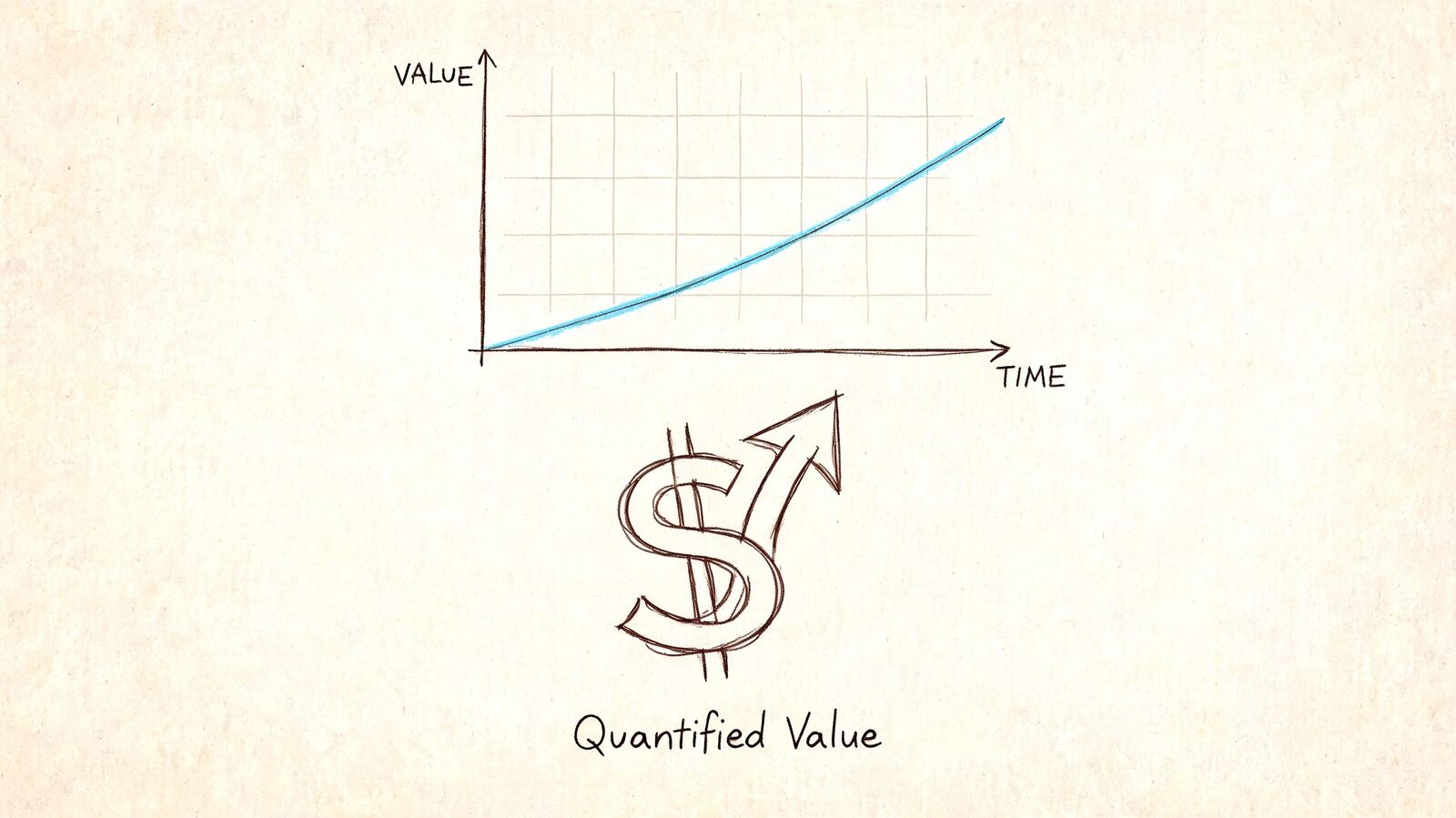
The cleanest ROI argument is that technical leadership prevents expensive reversals. Rebuilding architecture, replacing vendors under pressure, rehiring around bad decisions, and cleaning up undocumented systems all consume founder attention at the worst possible time. Strategic guidance shifts those decisions earlier, when they are cheaper and easier to control.
Where the return shows up
The strongest gains usually appear in four places:
-
Less technical debt before fundraising
-
Faster product delivery because teams aren’t fighting their own system
-
Stronger diligence outcomes
-
Better use of infrastructure and engineering budget
One data point is especially relevant for venture-backed software companies. According to GadellNet’s piece on strategic technology consulting, 73% of venture-backed SaaS firms using fractional CTO consulting reduced technical debt by 40% pre-Series A, and that correlated with a valuation boost of up to 1.5x during investor audits.
A clean architecture doesn’t just lower engineering friction. It changes how outsiders price risk in your business.
What to measure internally
Even if you’re not preparing for a round today, you can still evaluate whether the strategy is working. Look at operational indicators such as:
Signal
Healthy pattern
Warning sign
Release cadence
Shipping stays predictable as scope expands
Every release creates regressions or delay
Hiring efficiency
New engineers can understand the system quickly
Knowledge lives in one or two people
Cloud spend
Costs track usage and product value
Costs rise without architectural explanation
Product velocity
Teams can add features without major rewrites
Simple requests trigger system-wide change
The valuation lens
Investors don’t reward software merely for existing. They reward companies that have reduced execution risk.
When a founder can show a coherent roadmap, disciplined architecture, documented systems, and a credible path from MVP to scale, the technical story becomes an asset in the room. When that story is missing, investors start discounting. They assume hidden cleanup, hidden hiring pain, and hidden delivery risk.
That’s why the ROI of technology strategy consulting is larger than the consulting line item itself. The return isn’t just in cleaner systems. It’s in preserving momentum and giving the market fewer reasons to question the company.
How Do You Choose Your Strategic Technology Partner?
Most founders don’t need more options. They need a filtering system.
The wrong partner will happily ship features and leave you with a brittle codebase, scattered ownership, and no leadership layer. The right partner will make trade-offs explicit, challenge weak assumptions, and help you build a company that another executive team, investor, or acquirer can understand.
What to screen for first
Start with operating posture, not brand size.
A mass-market outsourcing firm usually optimizes for throughput. A strategic partner optimizes for decision quality and long-term transferability. Those are different business models, and they produce different outcomes.
Ask direct questions:
-
How do you decide what not to build in an MVP?
-
How do you document architectural decisions so an internal team can inherit them?
-
What does your diligence preparation look like before a fundraise?
-
How do you handle cases where founder urgency conflicts with sound architecture?
-
What work should remain external, and what should move in-house over time?
If the answers stay generic, that’s a signal. Strong partners can describe trade-offs clearly.
Comparing tech consulting engagement models
Model
Typical Cost
Best For
Key Consideration
Monthly retainer
Varies by scope and seniority
Ongoing strategic oversight across product, hiring, and architecture
Works best when leadership continuity matters
Project-based engagement
Varies by deliverables
Roadmaps, architecture reviews, diligence prep, or specific technical decisions
Can create gaps between advice and execution
Equity-based or mixed structure
Varies by arrangement
Very early-stage startups managing cash carefully
Incentives must be defined carefully
Embedded virtual CTO
Varies by involvement level
Founders who need recurring executive-level technical guidance without a full-time hire
Requires trust, access, and clear decision rights
For founders comparing embedded leadership options, Buttercloud’s virtual CTO service is one example of the model to evaluate. The useful question isn’t whether you need a title. It’s whether you need consistent technical judgment inside the business.
What good partnership feels like
A strong partner doesn’t overwhelm you with jargon. They narrow decisions.
They can explain why PostgreSQL is enough for now, why Firebase may or may not fit your product, why native mobile may be justified for one use case but not another, and why a rushed vendor integration might save a sprint now while creating a compliance problem later. Their value shows up in the choices you avoid as much as the systems you build.
Watch how a consultant talks about trade-offs. Senior people don’t sell certainty. They show you where the real risk sits and how to manage it.
Red flags founders should take seriously
-
They promise speed without discussing maintainability
-
They avoid discussing due diligence or handoff
-
They recommend the same stack for every product
-
They can’t explain security, environments, or deployment in business terms
-
They treat your roadmap like a feature backlog instead of a financing and execution tool
Technology strategy consulting is only valuable if it changes the quality of your decisions. That requires a partner who can think like an operator, architect, and investor at the same time.
Anatomy Of A Strategy Engagement
Beyond the deliverables above, it helps to know what the actual engagement looks like week to week. A good one is structured, not open-ended advisory drift — it moves from diagnosis to design to execution support, then leaves your team stronger than it started.
- Audit and alignment. The engagement opens by exposing reality: a review of the product, codebase, infrastructure, team setup, delivery process, and business priorities in one operating picture. The output is usually a current-state architecture view, a risk register, and a gap analysis — not more slides, an honest inventory of where the system is fragile.
- Roadmap and architecture design. Once the facts are clear, the work shifts to deliberate choices: target architecture, release sequencing, and a realistic path from current state to desired state, usually split into immediate stabilization, core platform decisions, and growth preparation.
- Implementation oversight. Many firms disappear after handing over a document and call it strategy — that’s lazy, because teams interpret plans differently under pressure. A strategist who stays close enough to validate architecture and support hiring is what keeps a roadmap from turning into aspiration.
- Optimization and handover. The final phase is about independence: cleaner operating standards, clearer ownership, and a handover that includes decision logs and unresolved risks, so the business isn’t reliant on knowledge trapped in one contractor’s head.
Founder FAQs On Technology Strategy Consulting
Do I need this before I hire developers? If you’re making stack, scope, architecture, or hiring decisions, yes — even a short engagement can save you from building the wrong thing in the wrong order.
Is this only useful for non-technical founders? No. Technical founders need it too, especially once they’re splitting time across product, hiring, customers, and fundraising. The constraint isn’t intelligence, it’s bandwidth and decision quality under pressure.
What should I expect in the first few weeks? A sharp diagnostic: a review of your product goals, codebase, infrastructure, team structure, and release workflow. You should leave with clearer priorities, not another document for a folder.
Should strategy come before compliance work? They should be connected. Compliance without architecture discipline becomes bureaucracy; architecture without compliance thinking creates expensive retrofits later.
What’s the one deliverable I should actually care about? Decision quality. You want a roadmap and operating model your team can execute — the best outcome is a company that becomes easier to scale and easier to defend in diligence.
Want a starting point before that conversation? Our free Tech Stack Recommender and MVP Cost Calculator give you a real stack suggestion and budget number in minutes.
If you’re building from idea to investor-ready MVP and need a technical partner who can translate product ambition into architecture, hiring decisions, and scalable delivery, Buttercloud works in that gap. The focus is straightforward: production-grade MVPs, fractional CTO leadership, and startup infrastructure designed to hold up under growth and diligence.
Have a product idea to talk through?
We'll show you how we'd approach it — no pressure, just a real conversation.
Book a Discovery Call